image not found

From Waste to Worth: Why Sustainable Packaging Isn’t Optional Anymore

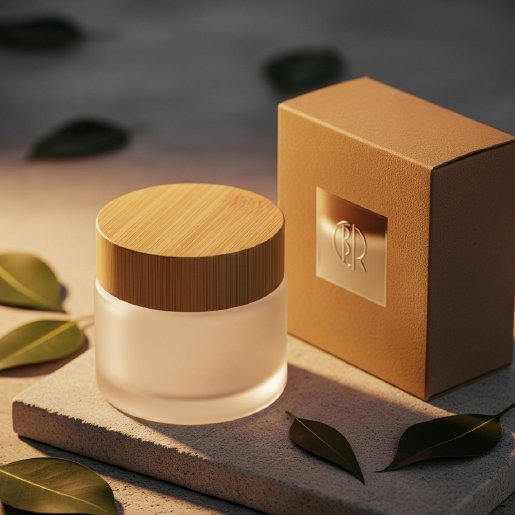
In today’s eco-conscious marketplace, packaging is more than a container — it’s a statement of values.
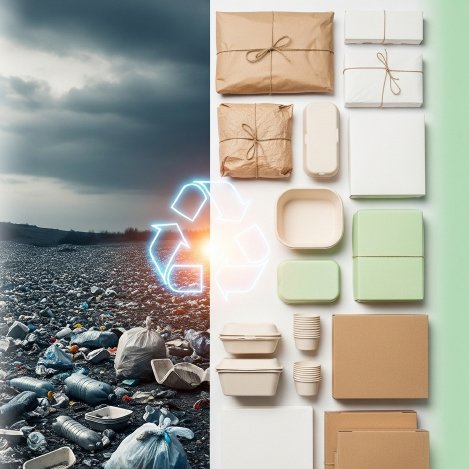
With landfills overflowing, oceans suffocating with plastic, and climate change intensifying, brands can no longer treat sustainability as an afterthought.

Welcome to the age of sustainable packaging — where the box, bag, or wrap that holds your product carries just as much importance as the product itself.

Why Sustainability Matters Now More Than Ever

Consumer behavior has shifted dramatically.

  • Over 70% of customers say they prefer brands that use eco-friendly packaging.
  • Governments are introducing strict environmental regulations to reduce packaging waste.
  • Retailers are rethinking supply chains to favor green-certified products.
  • And perhaps most importantly — customers are voting with their wallets.

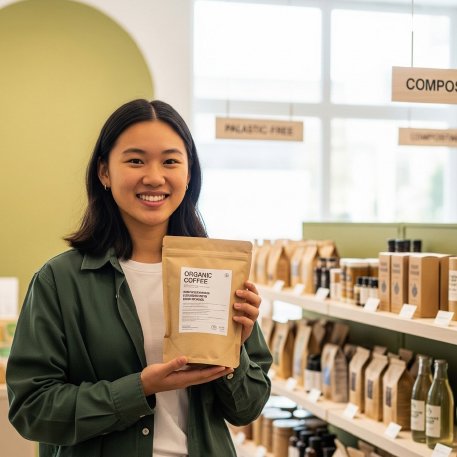
Sustainability has moved from being a "nice-to-have" to a brand expectation.

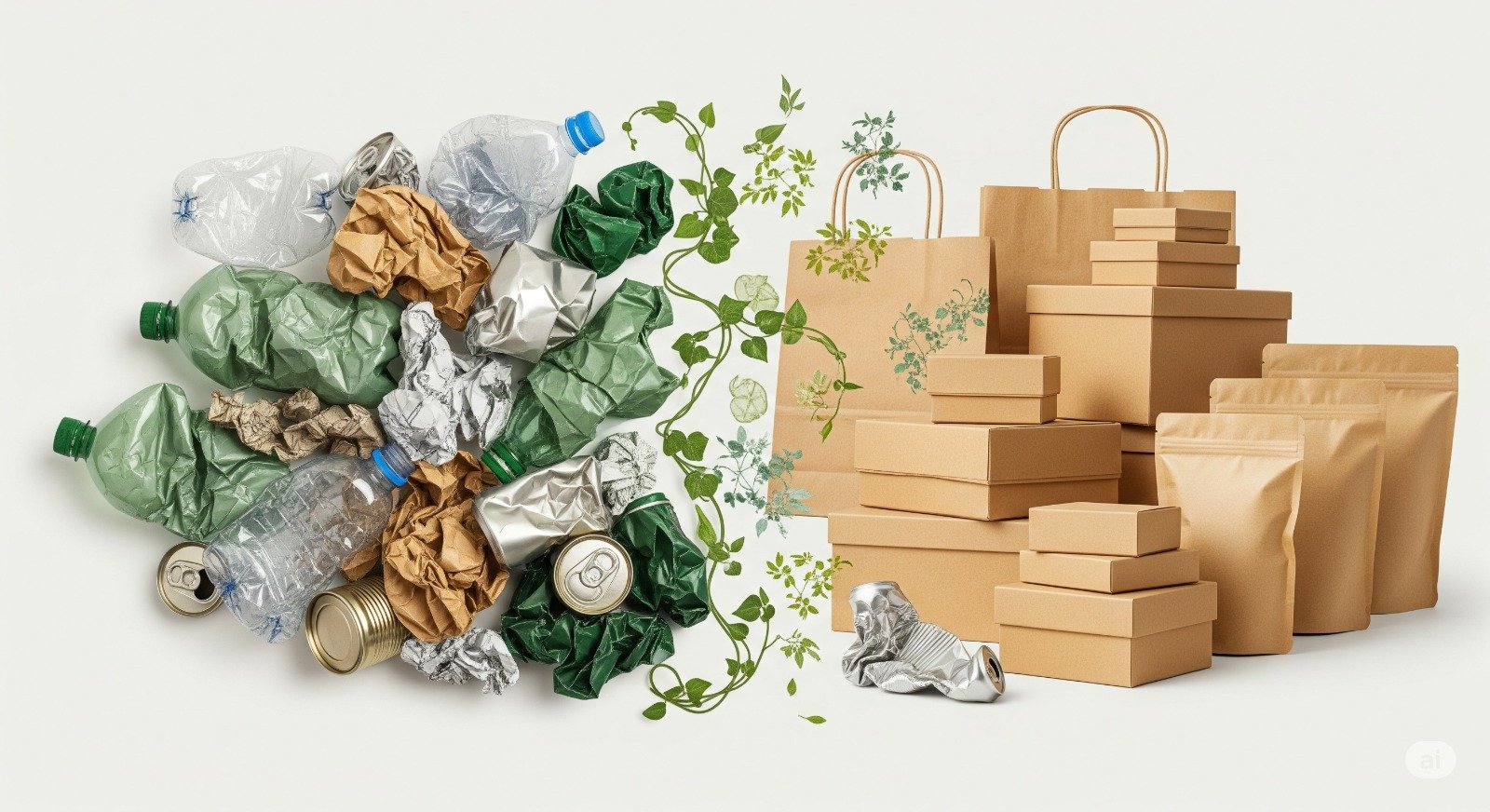
From Wasteful to Wonderful: Popular Types of Sustainable Packaging

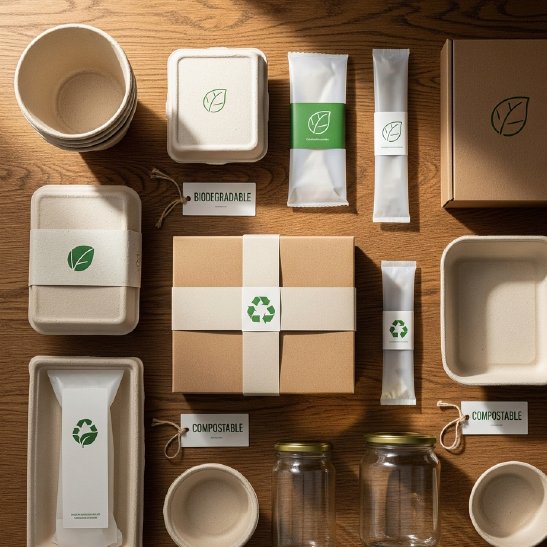
1. Biodegradable Materials

  • Made from renewable plant-based sources like cornstarch or sugarcane.
  • Naturally decompose over time, leaving no toxic residue.
  • Perfect for replacing single-use plastics in retail and food industries.

2. Recycled Paper & Cardboard

  • A timeless and cost-effective choice.
  • Minimizes environmental impact by reducing the need for virgin materials.
  • Can be branded with eco-friendly inks for a premium, planet-friendly look.

3. Compostable Films & Wraps

  • Designed for short-term use but long-term environmental benefit.
  • Break down in compost to enrich soil instead of polluting it.
  • Popular with FMCG brands and organic food suppliers.

4. Reusable Containers

  • Packaging built for long-term use — jars, tins, pouches, or sturdy boxes.
  • Encourages a circular economy by reducing single-use waste.
  • Builds customer loyalty through brand recall each time they reuse it.
How Leading Brands Are Making the Shift

  • Unilever — Pledged to cut virgin plastic usage by 50% by 2025.
  • L’Oréal — Launched a refillable skincare range with sleek, eco-conscious design.
  • Patagonia — Uses 100% recycled materials in its packaging.
  • Emerging Startups — Adopting zero-waste delivery systems and local compost partnerships.
  • Small Businesses — Leveraging affordable, sustainable material suppliers to keep costs low.

Sustainability Doesn’t Mean Sacrificing Style

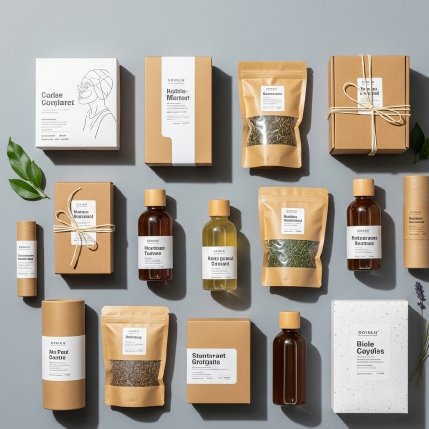
Gone are the days when “eco-friendly” meant plain brown boxes and bland designs. Today’s sustainable packaging can be:

  • Sleek & Minimalist — letting the quality of your product shine.
  • Luxurious — with metallic foils and embossing that are recyclable.
  • Instagram-Worthy — encouraging unboxing videos and user-generated content.

Design Tips:

  • Use earthy tones paired with modern typography.
  • Opt for recyclable labels with clean, bold visuals.
  • Consider interactive elements like QR codes for a behind-the-scenes brand story.

The Long-Term Value of Sustainable Packaging

By adopting eco-friendly packaging, your brand will:

  • Build Trust — Customers respect brands that respect the planet.
  • Appeal to Gen Z & Millennials — The most sustainability-conscious buyers.
  • Reduce Carbon Footprint — A direct contribution to global climate goals.
  • Future-Proof Your Business — Stay ahead of regulations and trends.

Final Word

If your packaging is harming the planet, your brand reputation may be next in line.

Sustainability isn’t a luxury — it’s a necessity. Turning waste into worth is not just possible — it’s powerful.