image not found

Packaging: Your Brand’s Silent Salesperson

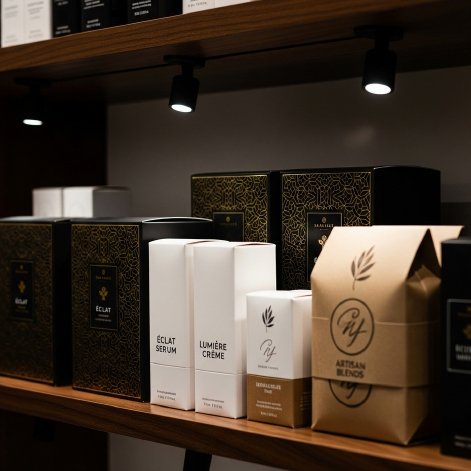
Packaging is far more than a protective shell for your product. It’s a marketing asset, a brand storyteller, and a silent salesperson that works 24/7 — on shelves, in customers’ hands, and in their social feeds. In a world where consumers make purchase decisions in less than 7 seconds, your packaging needs to demand attention, spark emotion, and inspire trust instantly.

Think about:

  • Apple → Minimalist design communicates premium, modern, and innovative.
  • Tiffany & Co. → The iconic Tiffany Blue Box is synonymous with luxury and romance.
  • Lush → Sustainable wraps speak to eco-consciousness and authenticity.

These brands didn’t just design packaging — they created cultural symbols.

1. Visual Identity

Your packaging should be an instant visual cue for your brand. That means every element — color palette, logo placement, typography, iconography — should be consistent.

Why

Because the human brain remembers colors and shapes faster than text. Think of:

  • Coca-Cola red → instantly triggers brand recall.
  • McDonald’s golden arches → recognizable worldwide without even seeing the brand name.

Even if you launch a new product line, keep your brand DNA intact so customers connect it to your existing identity.

2. Tactile Experience

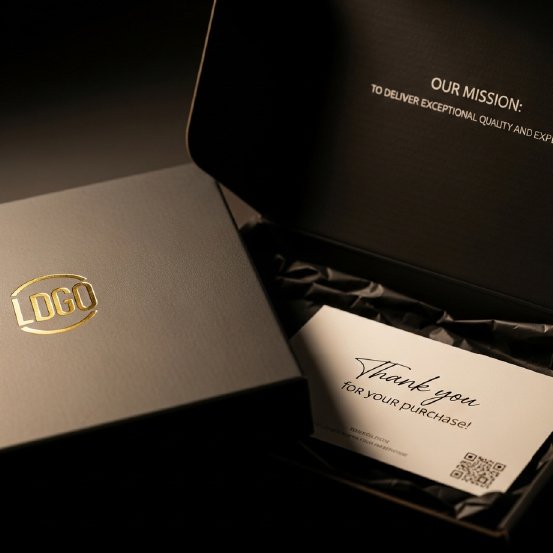
In e-commerce, unboxing is as important as the product itself. Why? Because customers film it, share it, and tag your brand.

Consider adding:

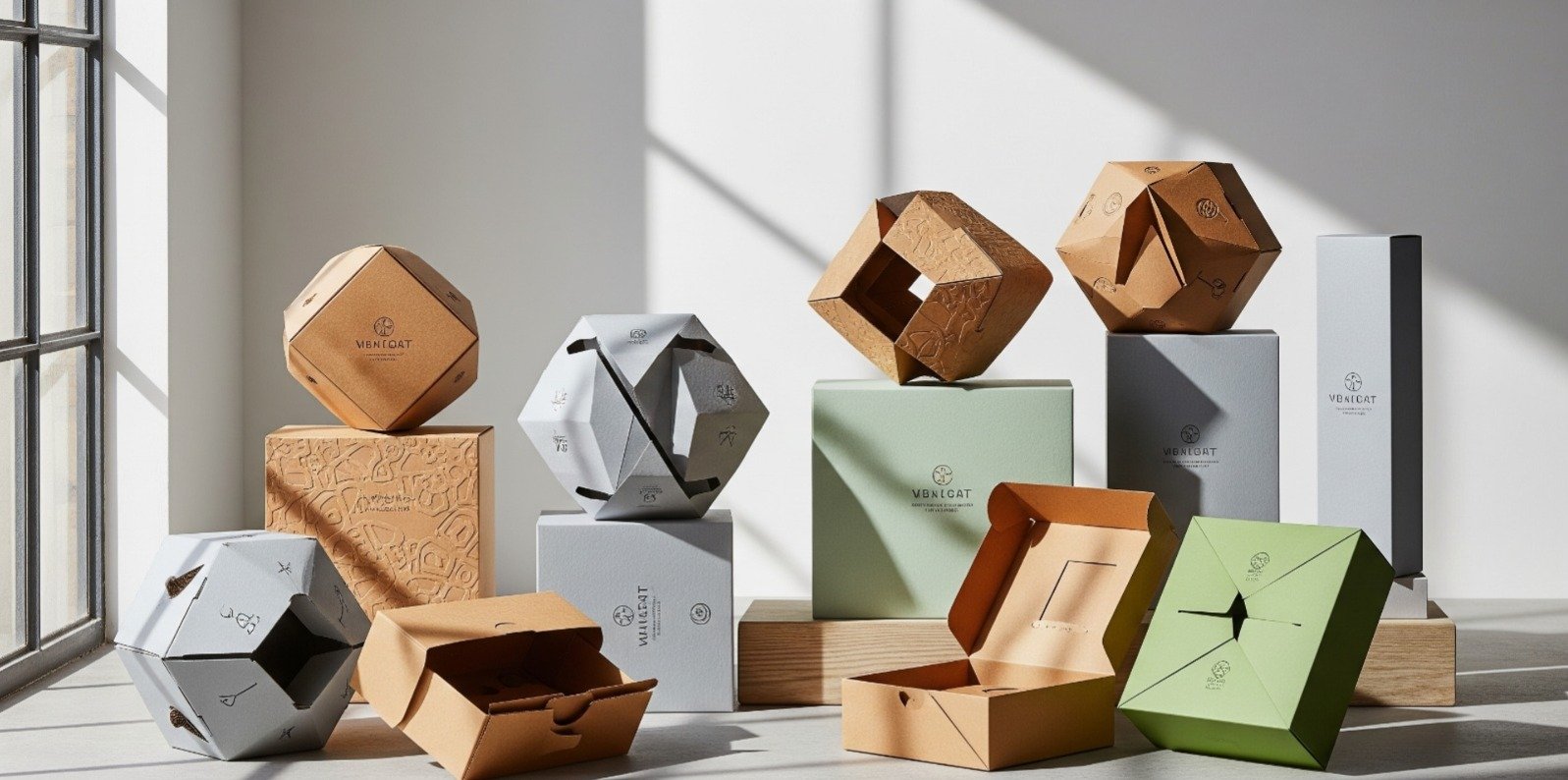
  • Premium materials (matte, gloss, embossed textures).
  • Unique opening mechanisms (magnetic closures, pull tabs).
  • Surprise elements (personalized thank-you cards, small freebies).

Example:
Glossier’s pink bubble wrap pouch — affordable to make, yet instantly shareable on social media.

3. Function Meets Form

Great packaging is not just pretty; it’s practical. It should:

  • Protect your product in transit.
  • Be easy to open and reseal.
  • Stack well for storage or retail display

When design meets utility, you save costs, reduce damage, and increase shelf appeal.

Example:
Pringles’ cylindrical tube — protects chips, stacks easily, and has become an icon.

4. Sustainability

Today’s consumers demand eco-friendly packaging. According to Nielsen, 73% of global consumers say they would change their buying habits to reduce environmental impact.

Sustainable packaging includes:

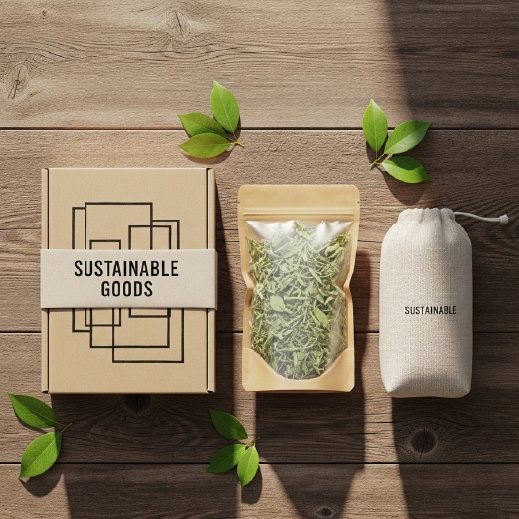
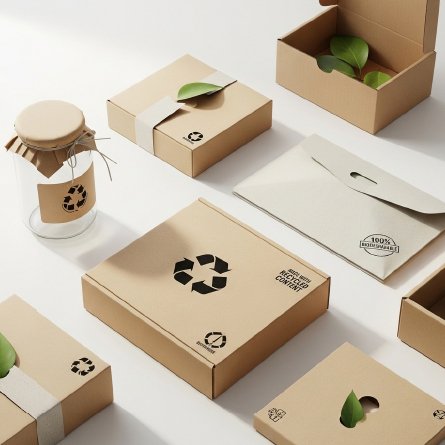
  • Recycled cardboard
  • Compostable wraps
  • Reusable containers
  • Minimalist, low-ink printing

Brands like Patagonia and Lush built entire communities around their eco conscious approach.

5. Storytelling Elements

Your packaging is your billboard and brand magazine rolled into one. Use it to:

  • Share your origin story.
  • Highlight your mission statement.
  • Educate customers about your product.
  • Add QR codes that lead to interactive experiences.

Example:
Innocent Drinks — adds fun facts, playful copy, and behind-the-scenes content right on their bottles.

6. Sensory Branding

The best packaging also sounds, feels, and even smells distinct.

  • The “pop” of opening a Coke can
  • The crisp tear of a luxury perfume wrapper
  • The subtle scent infused in unboxing experiences

These sensory triggers help build emotional memory.

Our Sample Work

We’ve delivered packaging and branding solutions to some of the most respected brands in India, including:

  • Dainik Bhaskar — High-impact marketing materials with bold visual identity.
  • Samson Orthopedics — Professional, clean medical product packaging that inspires trust.
  • Shreedhi — Premium retail packaging with a strong brand recall factor.
  • Shakti Pumps — Durable, brand-focused industrial packaging for global markets.

Our experience spans print, design, branding, and packaging — ensuring your brand gets a complete, end-to-end solution.

Why Packaging is Your Best Sales Tool

  • In retail: It grabs attention in a crowded aisle.
  • In e-commerce: It influences unboxing videos and Instagram tags.
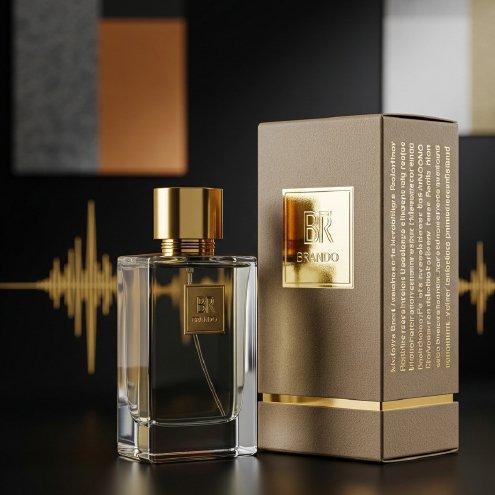
  • In luxury: It amplifies perceived value.
  • In FMCG: It drives impulse purchases.

The Bottom Line

If your product is your voice, packaging is its megaphone. Done right, it doesn’t just contain your product — it conveys your values, boosts your brand image, and turns customers into brand advocates.

So, ask yourself:
Is your packaging working hard enough for your brand — or is it just taking up space?